

Both massage therapy and stretching are AMAZING tools for recovery, mobility, and overall well-being — but they are not the same thing, and you can’t always substitute one for the other. Knowing when to choose one or both can make a big difference in how your body feels and moves.
Let’s break it down, to better understand the difference.
What Does Massage Therapy Really Do??
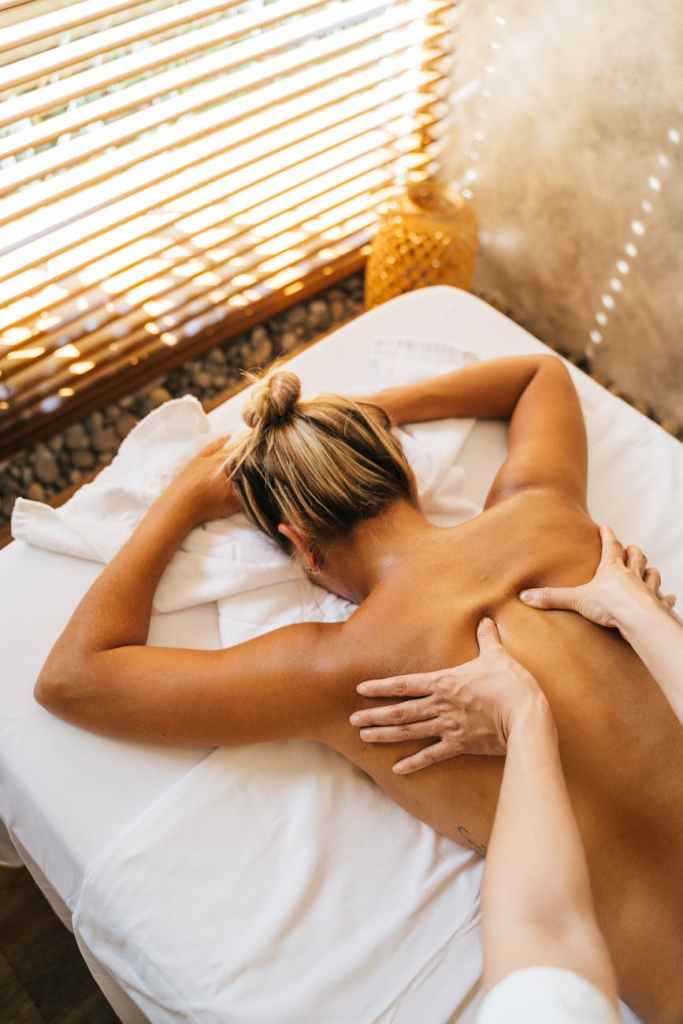
Massage therapy works primarily on the soft tissues of the body, which includes the muscles, fascia, connective tissues, and also the nervous system. While many people think of a massage as “relaxing,” its benefits go far deeper.
Massage is best for:
- Muscle tension and knots (or adhesions. Also called trigger points)
- Chronic tightness or stiffness
- Stress and nervous system overload
- Post-workout soreness (DOMS)
- Repetitive-use strain (desk work, caregiving, manual labor)
- Pain patterns that feel stuck or protective
How massage helps recovery:
Massage increases circulation, improves tissue hydration, and helps calm an overactive nervous system (lowers your cortisol levels). When your body feels guarded or braced, stretching alone often won’t work, therefore massage helps create the calmness for muscles to let go.
Regarding recovery, massage is especially useful when:
- You feel sore without wanting to move much
- Your muscles feel dense, achy, or tender to the touch
- Stress is showing up in your body (tight jaw, shoulders, neck, low back)
- Stretching feels uncomfortable or ineffective
Think of massage as helping your body to relax, reset, and to prepare it for movement.
What Assisted Stretching Actually Does (and Doesn’t Do)
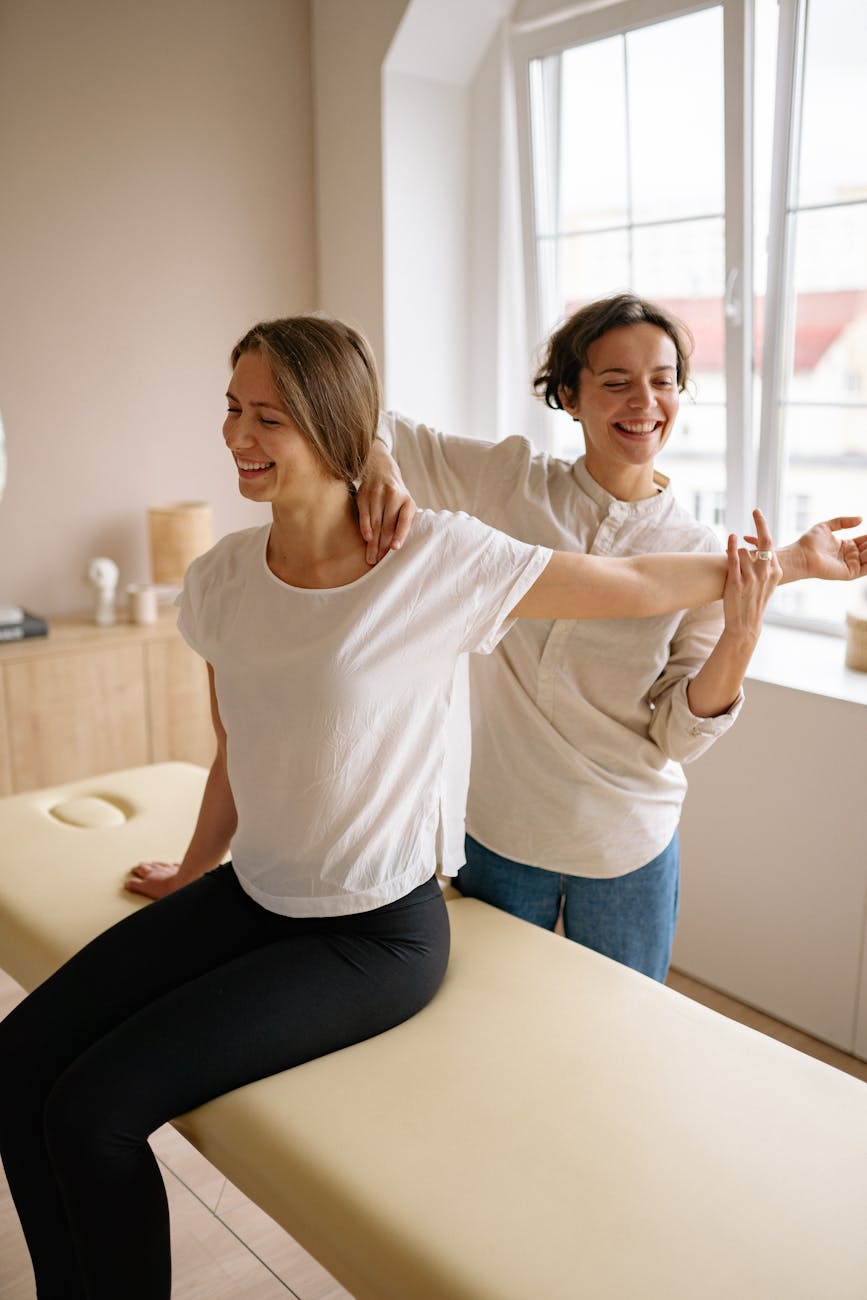
Assisted Stretching, with the help of a stretch coach (like me), focuses on actively or passively lengthening muscles and improving joint range of motion. It’s an important tool — but it only works best when the tissues are relaxed and ready to receive the stretch.
Stretching is best for:
- Improving flexibility and mobility
- Maintaining joint health
- Supporting posture and movement quality
- Postural stiffness from prolonged positions
- Reinforcing new movement patterns
How stretching supports recovery:
Stretching helps to maintain the elasticity in the muscles and connective tissues, improves circulation and body awareness. It is useful when stiffness comes from lack of movement and not protective tension (your body’s way of protecting itself from injury).
Stretching tends to work best when:
- Your body feels generally warm and mobile (especially after a workout)
- You’ve already moved or exercised lightly
- You’re maintaining mobility between workouts or sessions (i.e. 1x per week to keep improving and mobility)
- You want to reinforce changes made during massage
Stretching alone, however, may not be enough if your nervous system is overwhelmed or if the muscles are holding onto tension for protective reasons.
Massage vs. Assisted Stretching: How to Choose
Here’s a quick way to decide which one you need.
Choose a Massage when:
- You feel tight and stressed
- Your muscles feel sore, heavy, or guarded
- You’re dealing with chronic tension and pain (that a DR gave the OK to get a massage)
- Stretching feels uncomfortable or is not working
- You need to regulate your nervous system and activate your parasympathetic system
Choose Assisted Stretching when:
- You feel stiff but not painful
- You’ve been sedentary or in one position too long (for example, having a computer job and sitting for hours a day)
- You want to maintain flexibility between workout sessions
- Your body feels ready to move
- You’re reinforcing mobility gains
The great thing is that most people benefit from both.
Why Massage and Assisted Stretching Work Better Together
Massage and stretching: it shouldn’t be one or the other. They come as a pair!!
Massage helps to:
- Reduce protective tension and relax the muscles
- Improve tissue quality
- Calm the nervous system and activate the parasympathetic system.
Stretching helps:
- Maintain new range of motion
- Improve movement capability
- Build long-term mobility
When massage is followed by assistive stretching, the body is far more likely to hold onto the changes. This is why many clients notice better results when they combine massage therapy with assisted stretching or mobility work.
Think of the massage as “clearing the path”, and stretching as “the movement through this path”.
A Common Mistake I See
One of the biggest mistakes people make is trying to stretch through tension that they have, but it really needs to be addressed with massage or manual work first.
If your body feels like it’s fighting you every time you stretch, that’s often a sign that your nervous system or tissues aren’t ready yet (they are still in that “fight or flight” mode). In those cases, massage can be the missing piece.
However, solely relying on massage without working out or stretching will limit the benefits.
Recovery works best when workout, stretching, and massage are done intentionally and balanced.
Final Thoughts
Your body is always talking to you: soreness, stiffness, fatigue, and tightness are all voices to notice and not ignore.
Massage and stretching each play an important role in recovery, and choosing the right one at the right time can help you to recover faster, move better, and stay more mobile in your daily life.
If you’re unsure which your body needs, that’s okay — I’m here to help you out and to create a recovery plan that makes sense for you.
Your body deserves individualized care, not a one-size-fits-all.


 Grounding Fitness, LLC