
Introduction
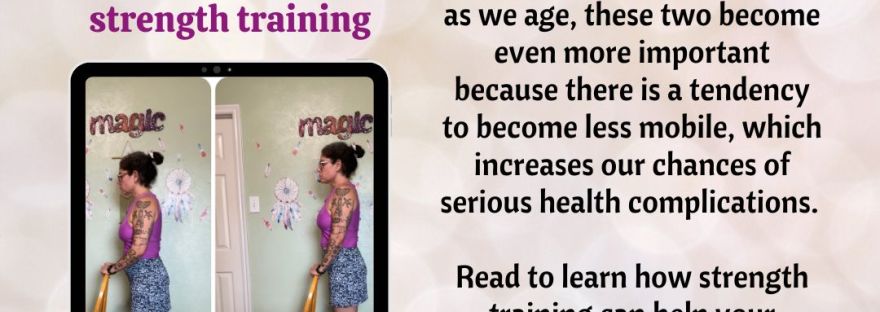
Balance and mobility are important in life. As we age, these two become even more important because there is a tendency to become less mobile. This increases our chances of serious health complications. Some of these are bone and muscle loss, which is important in keeping our balance and strength. We can combat this by doing strength training!! Strength training can help us to build muscle and have a beneficial impact in maintaining bone health. This helps to also improve balance to prevent falls and enhance the overall quality of life.
Risks in falling
Falls can happen to anyone, even younger adults! If there is no movement or exercise, their ability to balance can decline. This is why it is SO important for children to play outside. Although they don’t know it, all of the games they play and running around on the playground is helping them to improve and maintain balance. As we get older, and start living our hectic adult life, the “play” that we had as children starts to disappear in most , since we turn our focus to our adult responsibility. As adults, we need to make a conscious effort to maintain our movement/mobility and add strength training into our routine.
According to the CDC, 1 in 4 older adult experience a fall each year, which can have severe consequences. They range from becoming injured temporarily to a loss of independence which can affect adults mentally.
Although we cannot turn back time, we can certainly become proactive. It is never too late to start strength training.
How does strength training help us to avoid falls?
Strength training is great and has many benefits. Preventing falls is one of them. Here are some examples as to how it can help adults to prevent falls:
- Build muscle strength – Muscle mass decreases as we age, called sarcopenia. This loss in muscle strength increases the chances for falls. Strength training helps to fight sarcopenia by building and maintaining muscle. Especially in the important areas of the core, legs, and hips, which help us in balance and stability.
- Improves coordination and balance – Exercising and doing lower body exercises, such as lunges, squats, & step-ups can help by strengthening these muscles and enhance our balance. Exercises like standing on one leg requires coordination and challenges our proprioception (our awareness of body position & movement in space) which improves our balance.
- Helping Bone Density – Bone health is important because it reduces the risk of fractures if falls do occur. Weight bearing exercises (exercises that you have to lift weights) have been shown to increase bone density. Stronger bones are less likely to break under stress, which helps to protect you in the even that you fall.
- Improve joint mobility & flexibility – I’m sure there has been a time when you have sat for long periods of time, maybe in a plane or on a long car ride, and then when you get up, you are feeling super stiff! This means that the joints and muscles have not been lubricated for a while. This feeling is what happens when we stop moving or working out for a long time. Our joints tend to stiffen and so do our muscles. We lose that flexibility and mobility and find it harder to lift your arms to put something away or when sitting down, you might notice that your knees and hips become tight & painful. Strength training exercises help to avoid all of this when doing it weekly (at least 3 times a week for 30 min). Keeping your joints lubricated and mobile will also reduce the possibility of stumbling and falling.
- Enhancing your reaction time – Getting older equals slower reaction time which makes it harder to correct yourself if you suddenly trip or lose balance. Strength training exercises improves your neuromuscular control, which can enhance the speed of your reflexes to help you recover from an unexpected trip.
Strength training exercises to help with balance & mobility
Below are some examples of strength training exercises that can help you target your lower body and core (there are MANY more that you can do that are not listed).
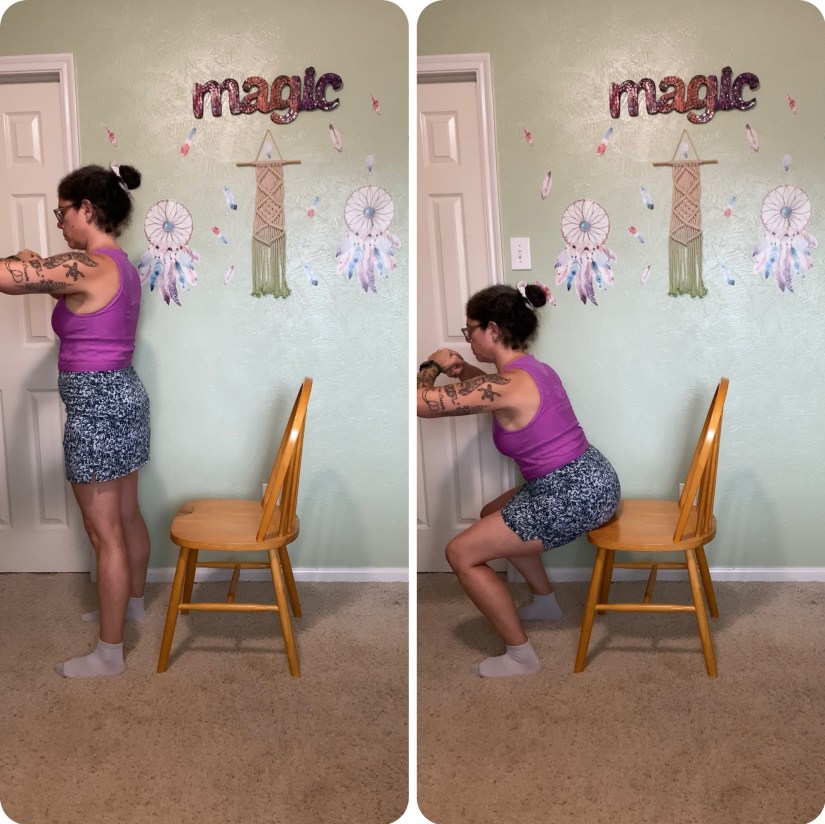
- Chair Squats – You can start with a chair if beginning, but can progress to doing them bodyweight and eventually using weights.
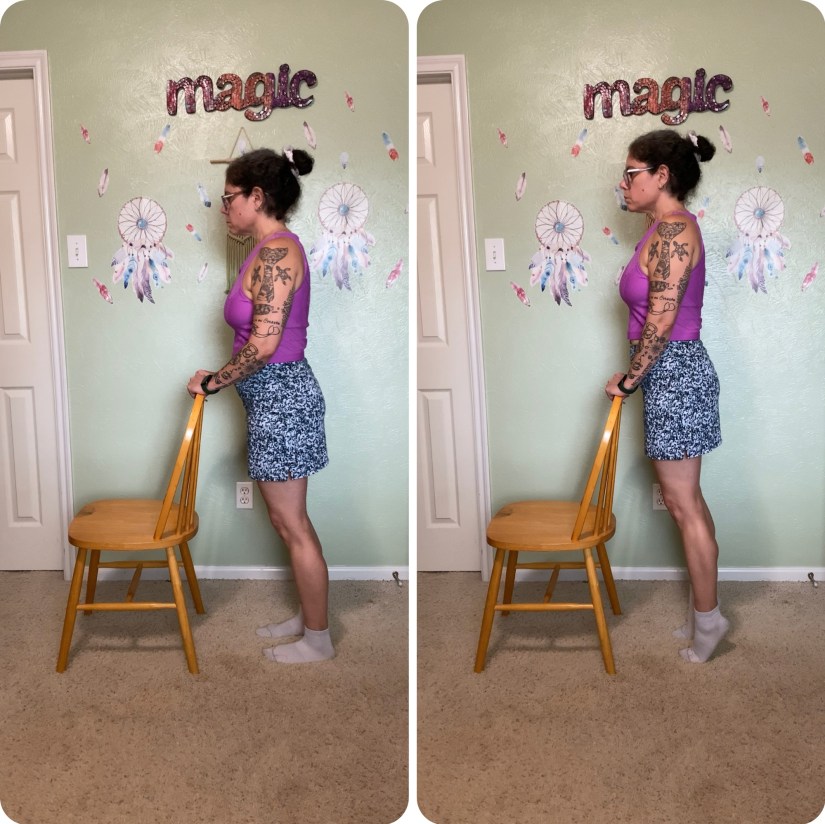
- Heel Raises – You can use a chair or wall to assist you in doing these. Come up to your tippy toes, and then come back down.
- Step-Ups – You can use a platform (or even your stairs if your house has some). Make sure initially that you have something to hold on to until your balance improves. Eventually as your confidence improves, you can hold weights as you come up and down.

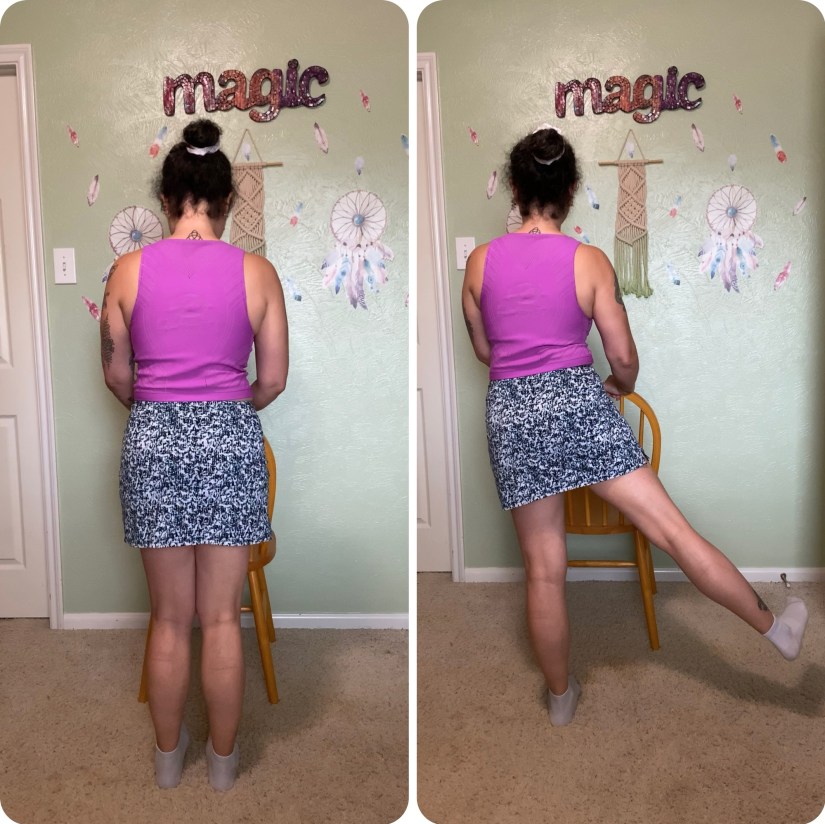
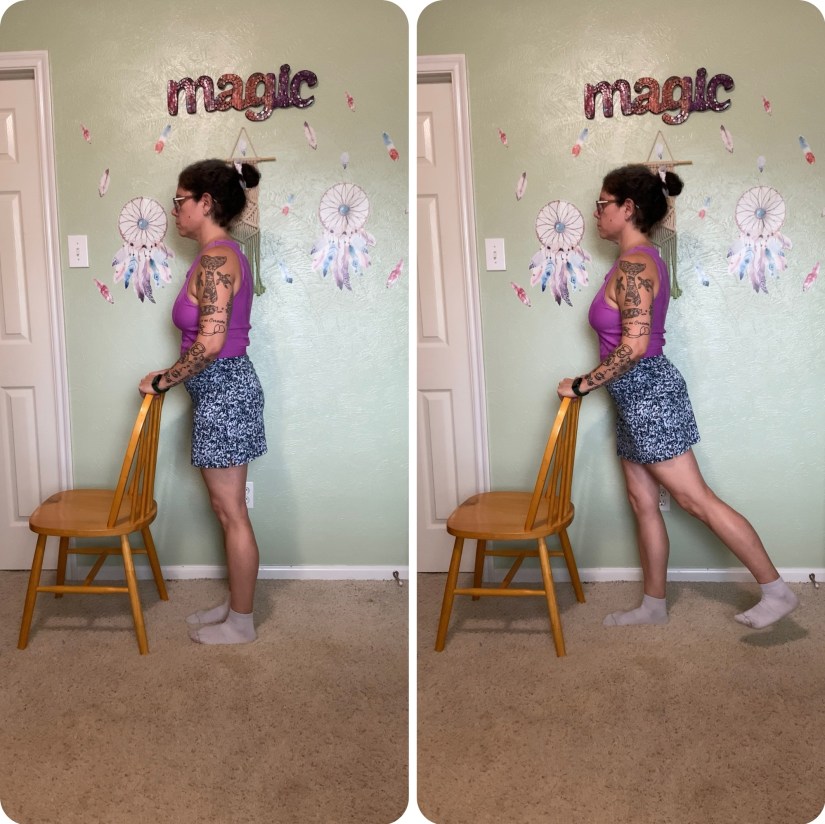
- Standing Leg Lifts
- Holding on to a chair for support, lift one leg to the side, and then lower it slowly. Repeat with the other side. This one targets the hip abductors, which helps to stabilize your body.
- Another exercise that you can do which targets your glutes is to bring one leg back while keeping your body straight. Squeeze the bum and bring the leg back down.
- Core strengthening exercises
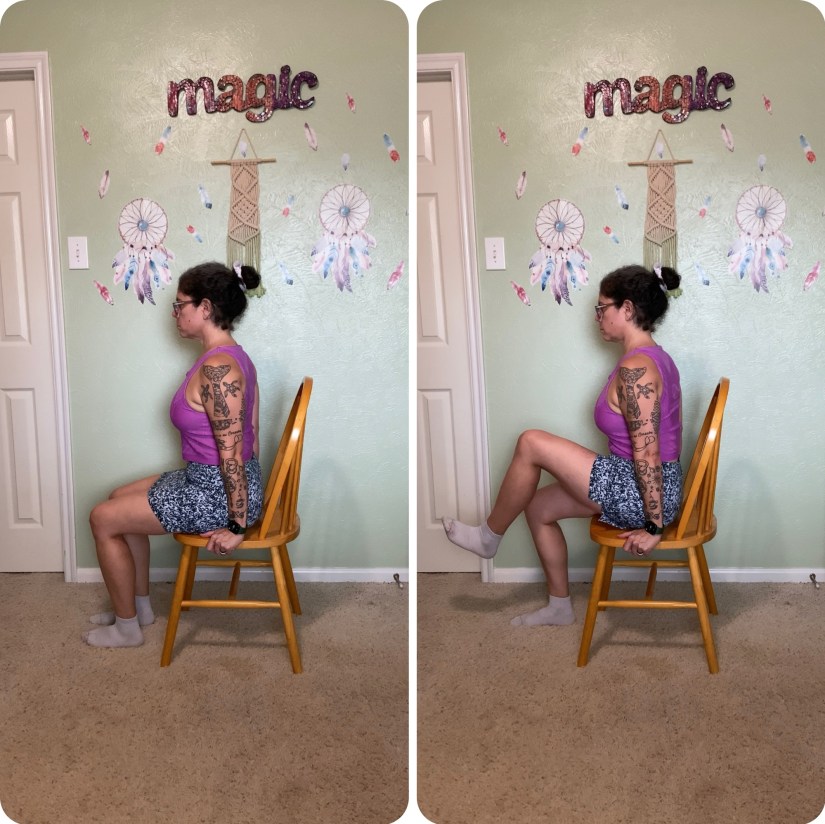
- For super beginners, its great to start with seated core exercises. A core exercise that you can do on the chair are knee lifts. This one is super easy and targets your deep core muscles along with your lower abs. Start by sitting in a chair (gripping the sides for stability) and keeping your torso nice and long. Bring your right knee up, keeping it at 90 degrees as you contract your abdominal muscles. Lower the leg and repeat on the other side.
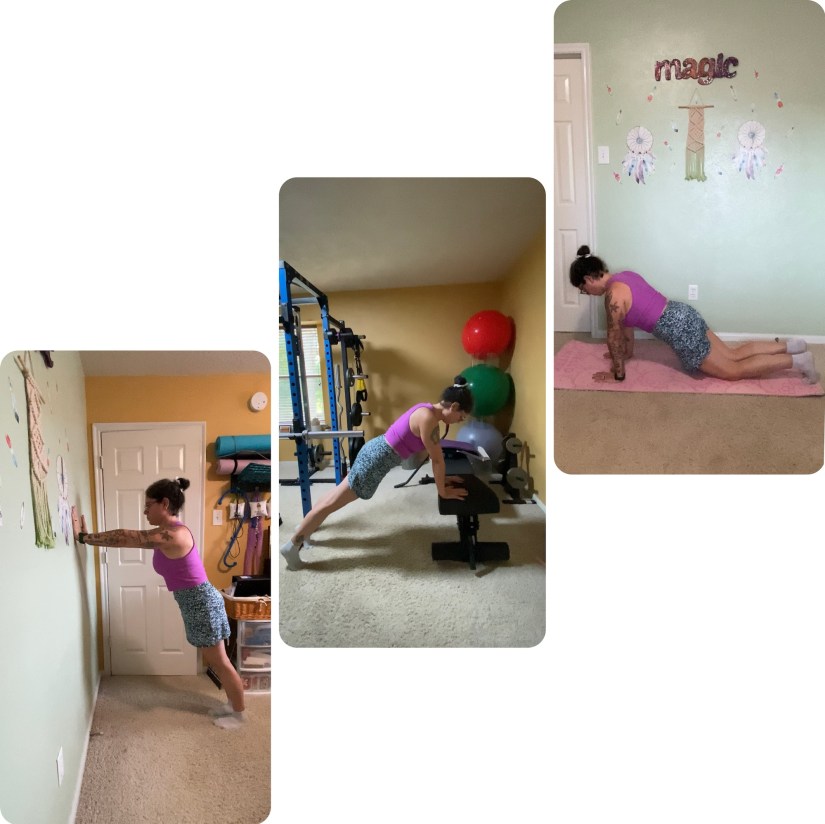
- A great one is plank. If you are a beginner, you can stand at arms length facing the wall. Bring your feet back and hold in one long line tightening the abdomen. To progress, you can use a raised surface, then move onto your knees, and eventually to your toes.
- Lastly, another great exercise are bridges. Lay on your back and place your heels close to your bum. Push into your heels and bring your bum up, keeping a long line from your head to your knees. Make sure your core is braced and then come back down.

How to Get Started Safely
As always, it’s important to ask your doctor before starting new activities, especially if you have any pre-existing health conditions. Some tips to start:
- Start slow by initially using your body weight and maybe a chair. Progress to weights and standing.
- Focus on your form to prevent injuries. Working with a personal traininer is helpful because they can help to teach you correct form.
- Staying consistent is key! It is better to consistently exercise 3 times a week for 10 minutes than to exercise 30 min to an hour every couple of weeks. Start by setting exercise goals and days that you will work on them to see improvement.
Conclusion
Strength training is an AMAZING tool to help you strengthen your muscles and bones to prevent falls, maintain independence, and to improve your quality of life as you age.
Start by incorporating the exercises I mentioned above 2-3 times a week to start building strength, balance and confidence.
Always remember that it’s never too late to start. Whether you’re new to exercise or looking to improve your current routine, strength training can provide the groundwork for a healthy & active lifestyle.
If you are ready to take that next step and are unsure of where to start, reach out to me at carola@groundingfitness.com . If you need guidance or want to learn more, don’t hesitate to reach out for an individualized training program tailored to your needs.


 Grounding Fitness, LLC