
by Carola Stephens
After years of working out and researching different modes, I always seemed to run into certain “myths” that kept coming up and up. After doing additional research, I wanted to compile those that I felt were the most important. Below is a small list along with their “debunking”.
- You can spot train fat burn
Unfortunately, you hear this a lot from some personal trainers on social media. People get all excited and then bookmark that one exercise (or workout program) thinking that if they do it consistently, the fat will be removed from that one area. If only it were so easy!! When we focus on exercise and caloric deficit (taking in less energy than what you use), loosing fat can happen. However, it happens in all areas of our body. Where you lose fat first tends to be determined by genetics.
If you start a strength training program, you will notice that, along with nutrient-dense foods, you will create a more fat-burning effect in your body. Therefore, beginning an exercise regiment, whether it’s strength training, HiiT, running, etc. can start to help with your overall fat burning.
- Lifting heavy is dangerous
While obviously lifting heavier than you can could lead to injury, lifting weights is certainly NOT dangerous. An important thing to be aware of that prevents injuries is having good form and engaging the proper muscles when doing the exercise. For example, if you are doing a Romanian deadlift, you should have your knees slightly bent, engaging your core (by pulling your bellybutton in and knitting your rib cage), shoulders retracted, and spine straight from bum to head. Adding heavy weights to a movement that you are unfamiliar with could cause injury, however, hiring a 1:1 personal trainer is a great way to start. Another great option could be buying a templated workout that has videos showing you how to properly do the exercises.
- Cardio is the only way for women to lose weight
While cardio is great, lifting weights is just as good (or better). Research has shown that it increases the number of calories you burn at rest (since your body starts to recover from the lifting session as soon as you are done weight training). This recovery also burns calories, since it’s repairing the “damage” done to the muscles. However, when you are doing cardio, you stop burning calories as soon as you stop your cardio workout. You might feel like you got “a burn”, but the real burn happens after lifting weights. The calorie burning effects lasts longer.
- Women should only use light weights & tons of reps to “tone”
Just like you can’t spot train fat burn, you can’t spot train muscles. If you are looking for that “toned” look, you achieve it by building muscles and loosing fat overall. You also cannot change the shape of muscles (i.e. when people say they want their arm muscles to be lengthened). This is NOT possible. You either build (hypertrophy, meaning there’s an increase in muscle fiber size), loose (atrophy), or maintain muscle mass. To build, you will need to increase the volume (how much you are lifting) along with other factors.
Lifting weights has TONS of benefits for everyone. According to research, it can improve bone health (bone & soft tissue modeling) and maintain mobility in your joints and tendons. It can also help to reduce stress, improve your self-confidence, mood, & quality of sleep.
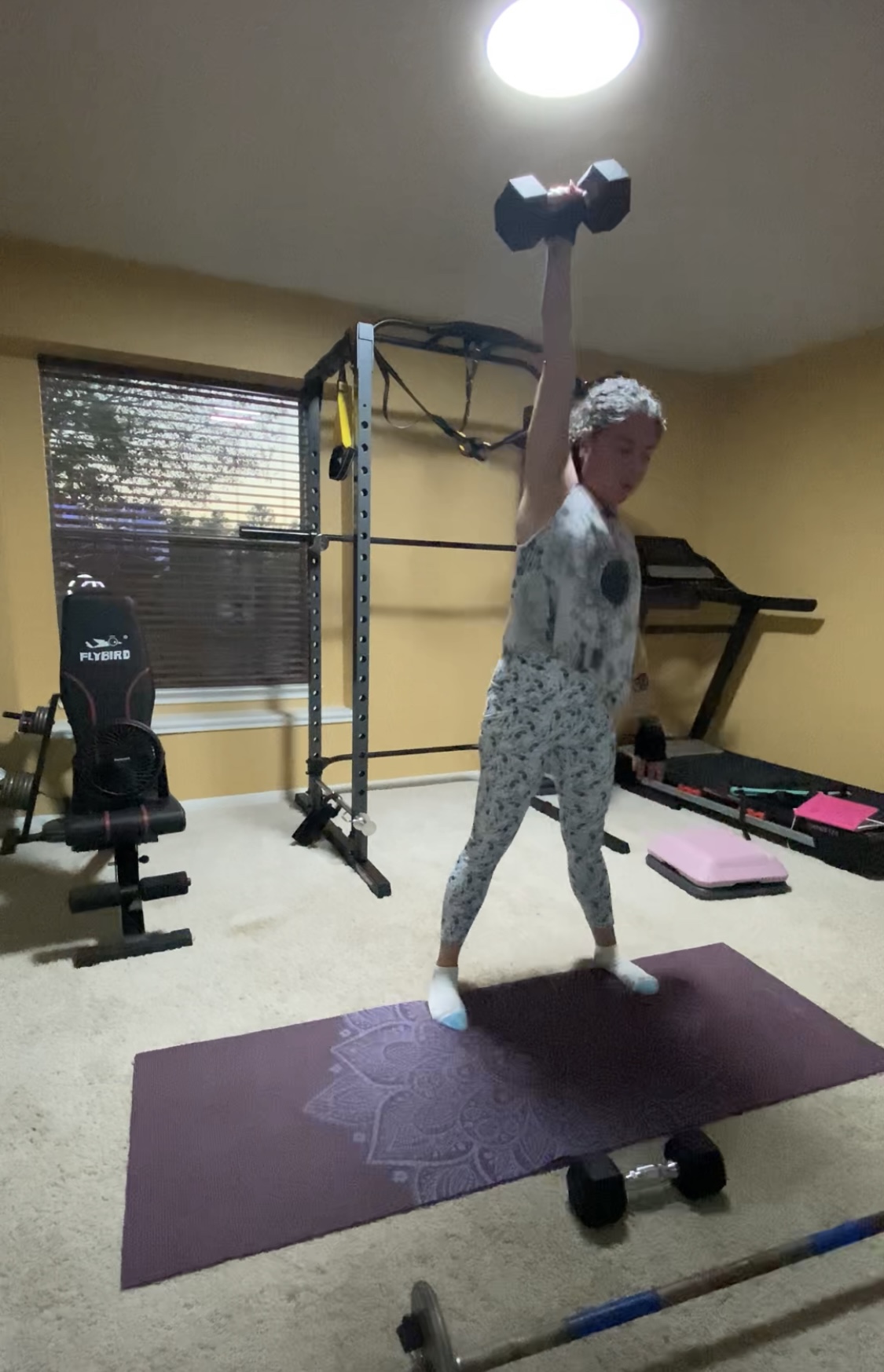
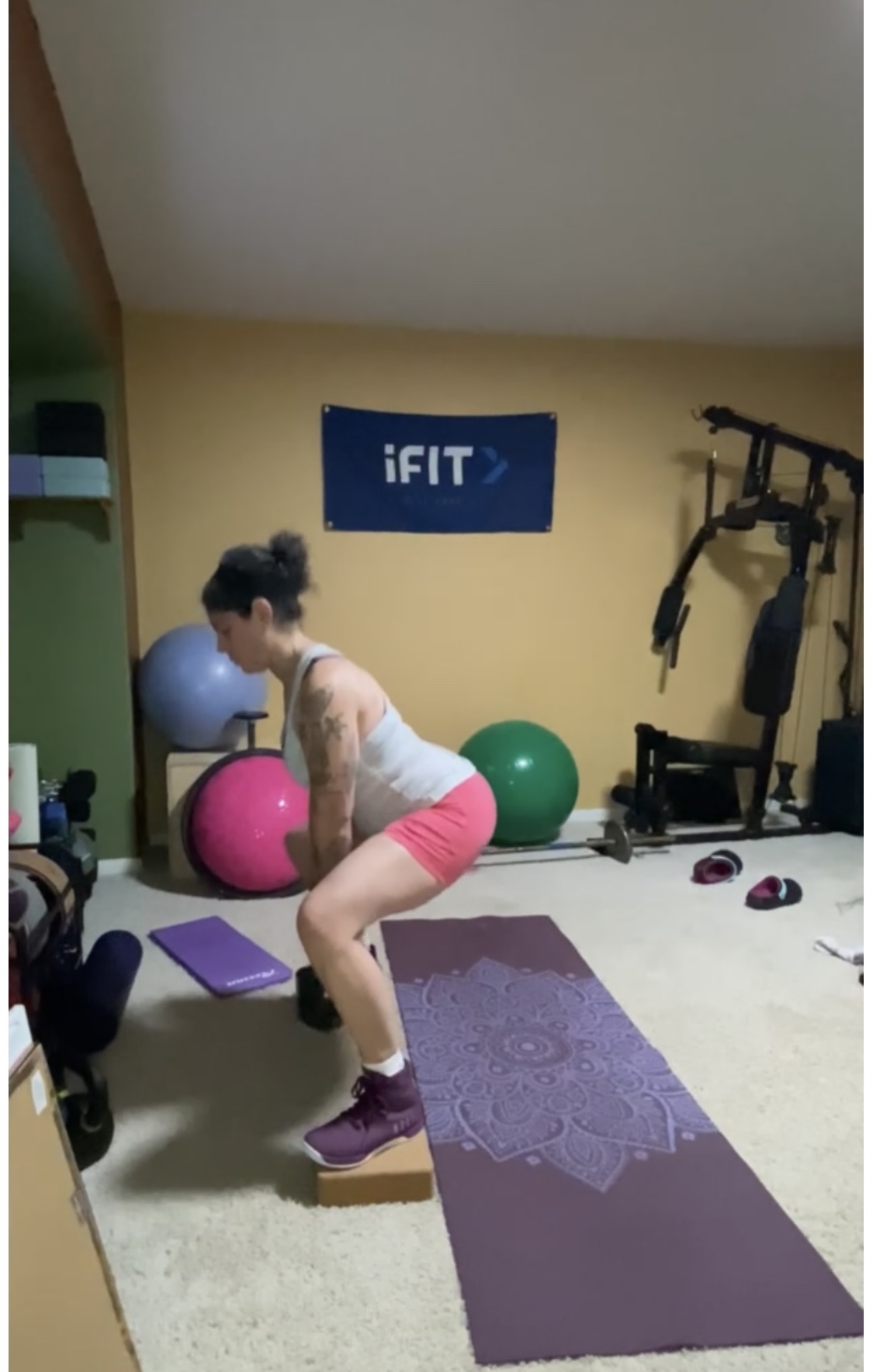
- Lifting heavy weights will cause women to bulk up
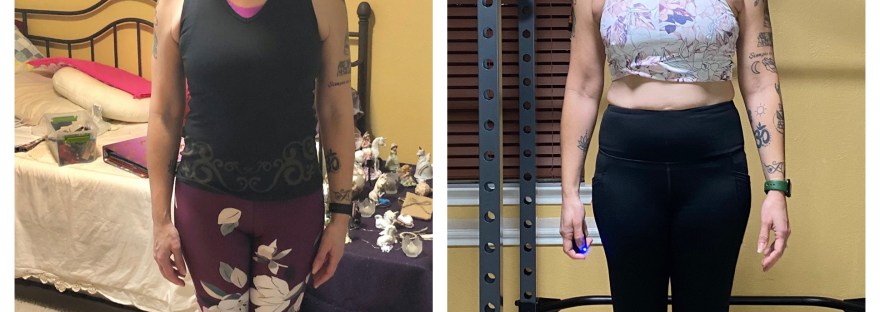
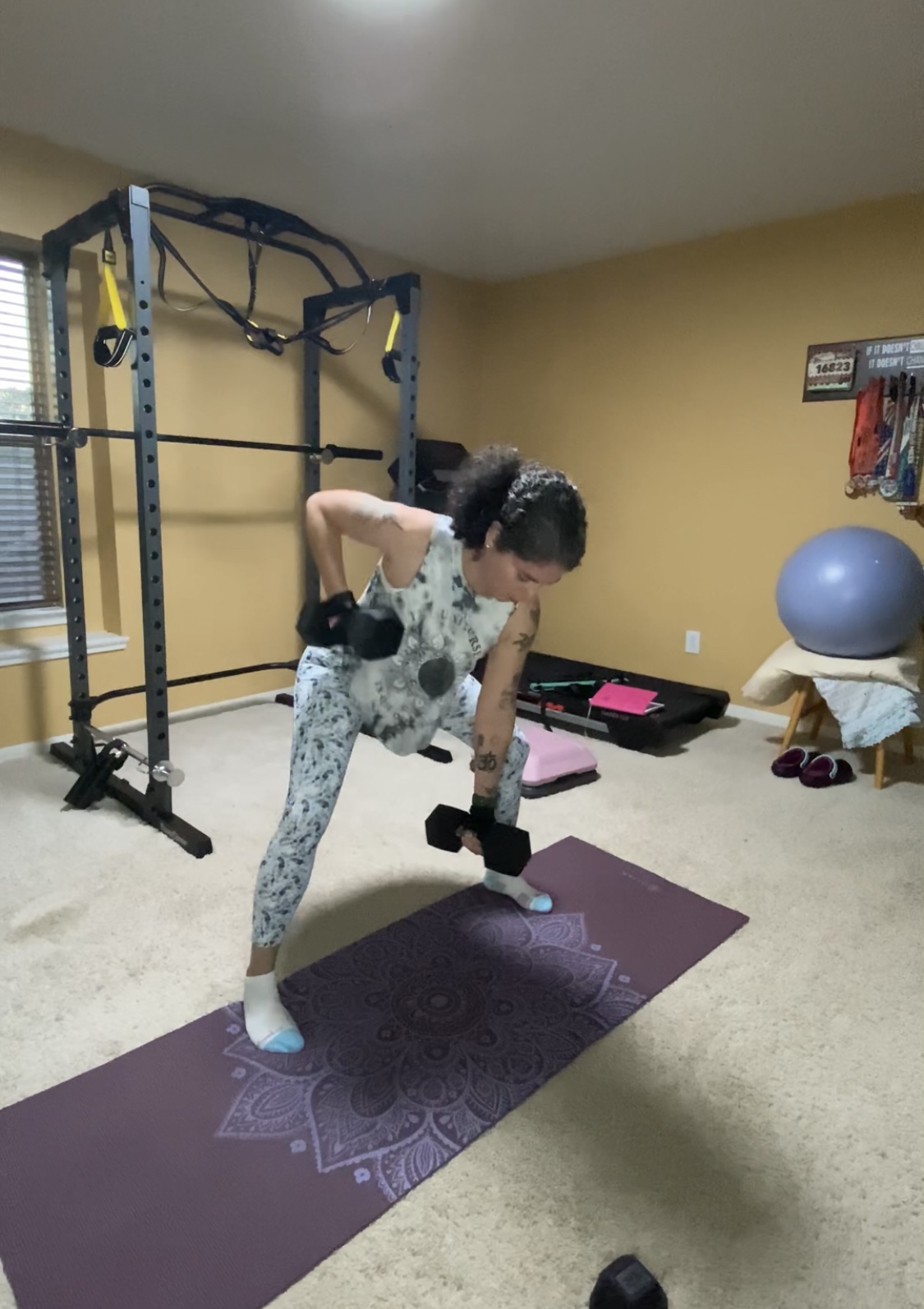
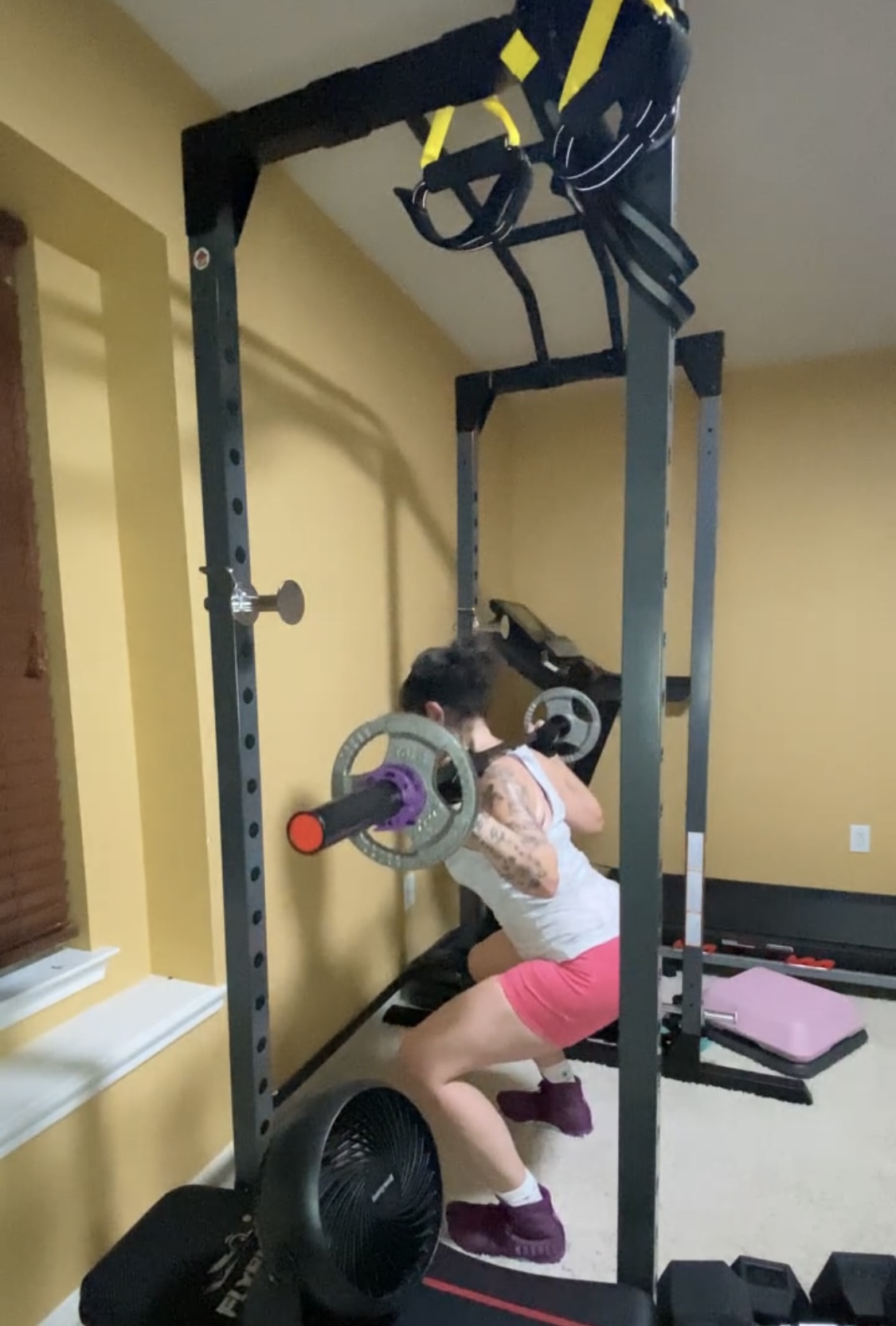
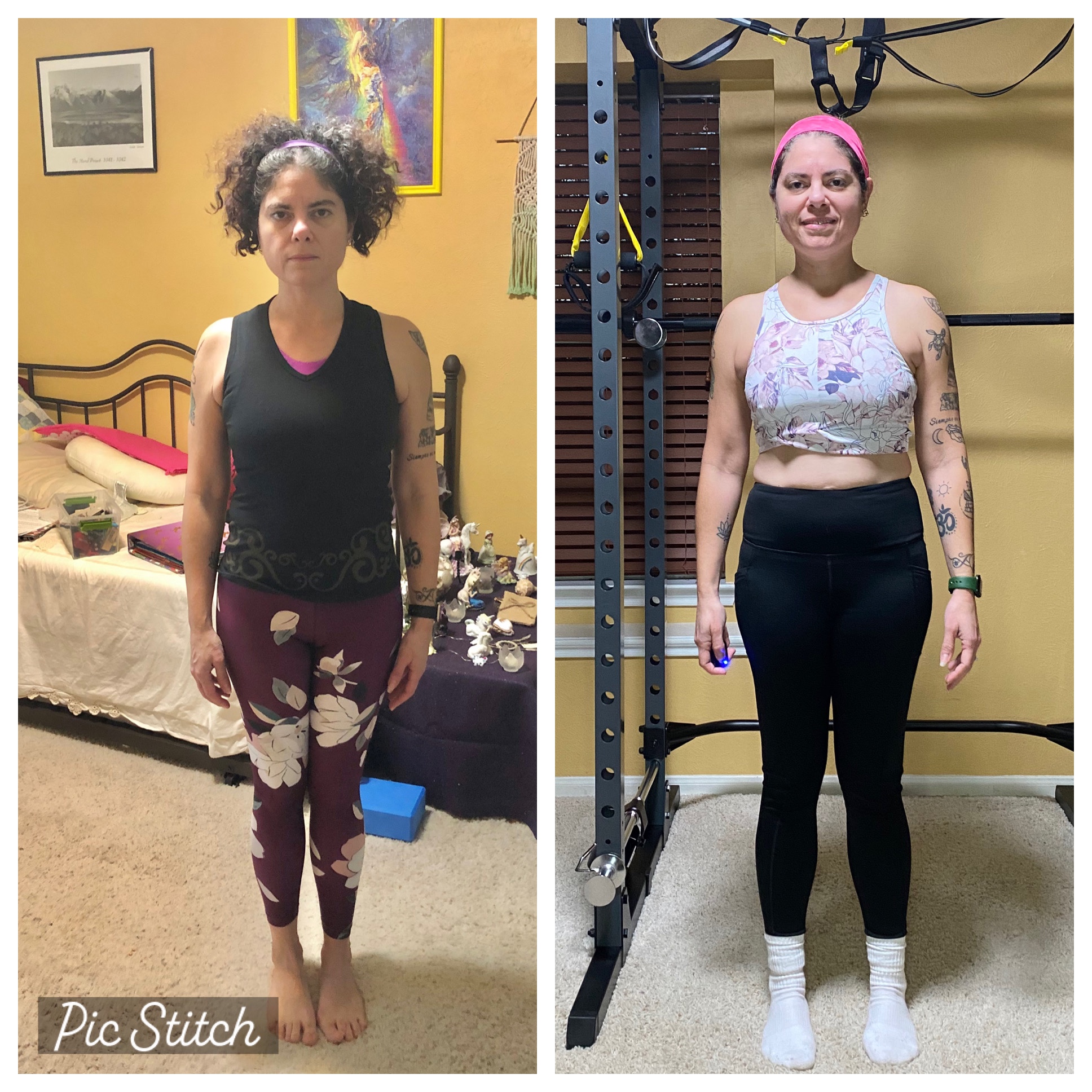
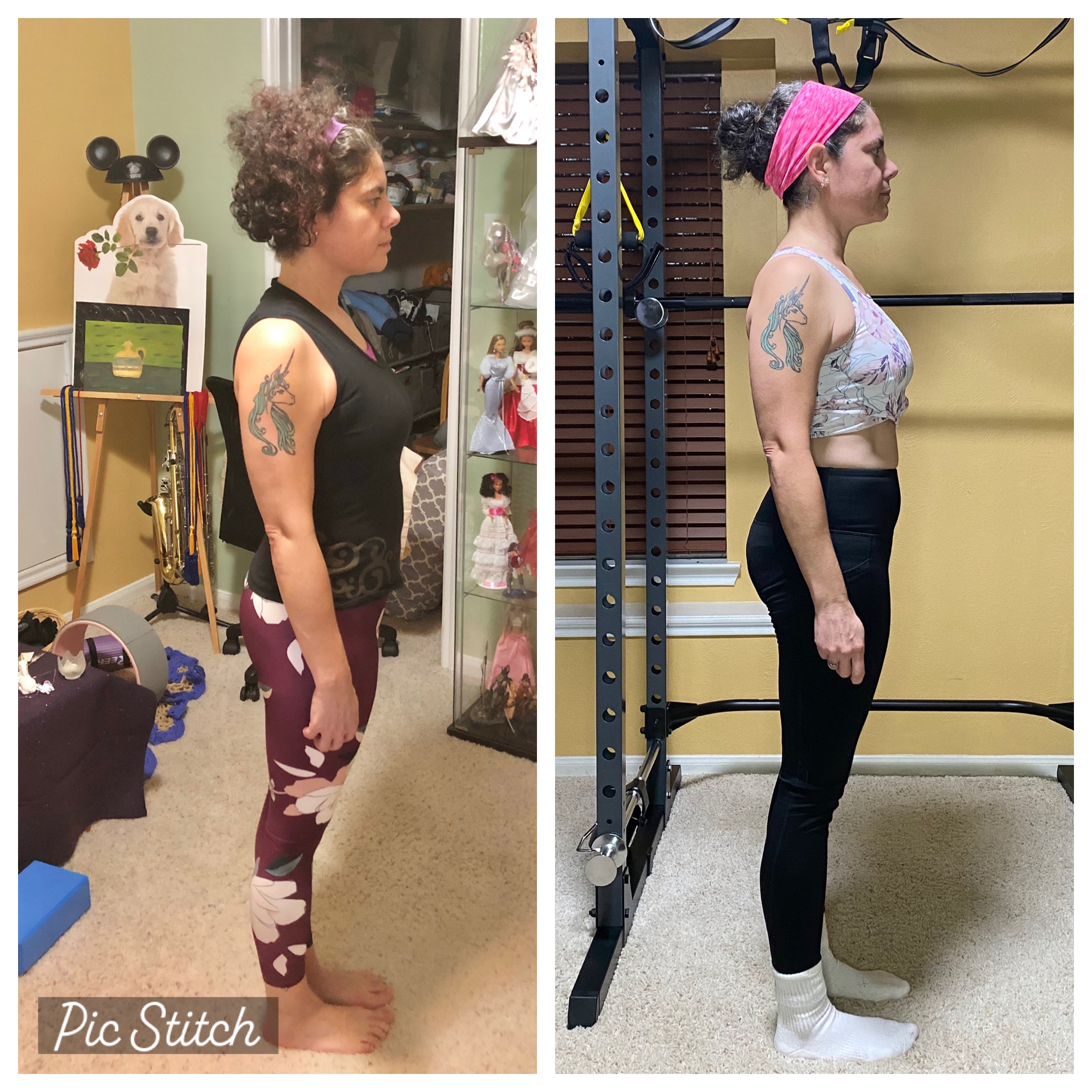
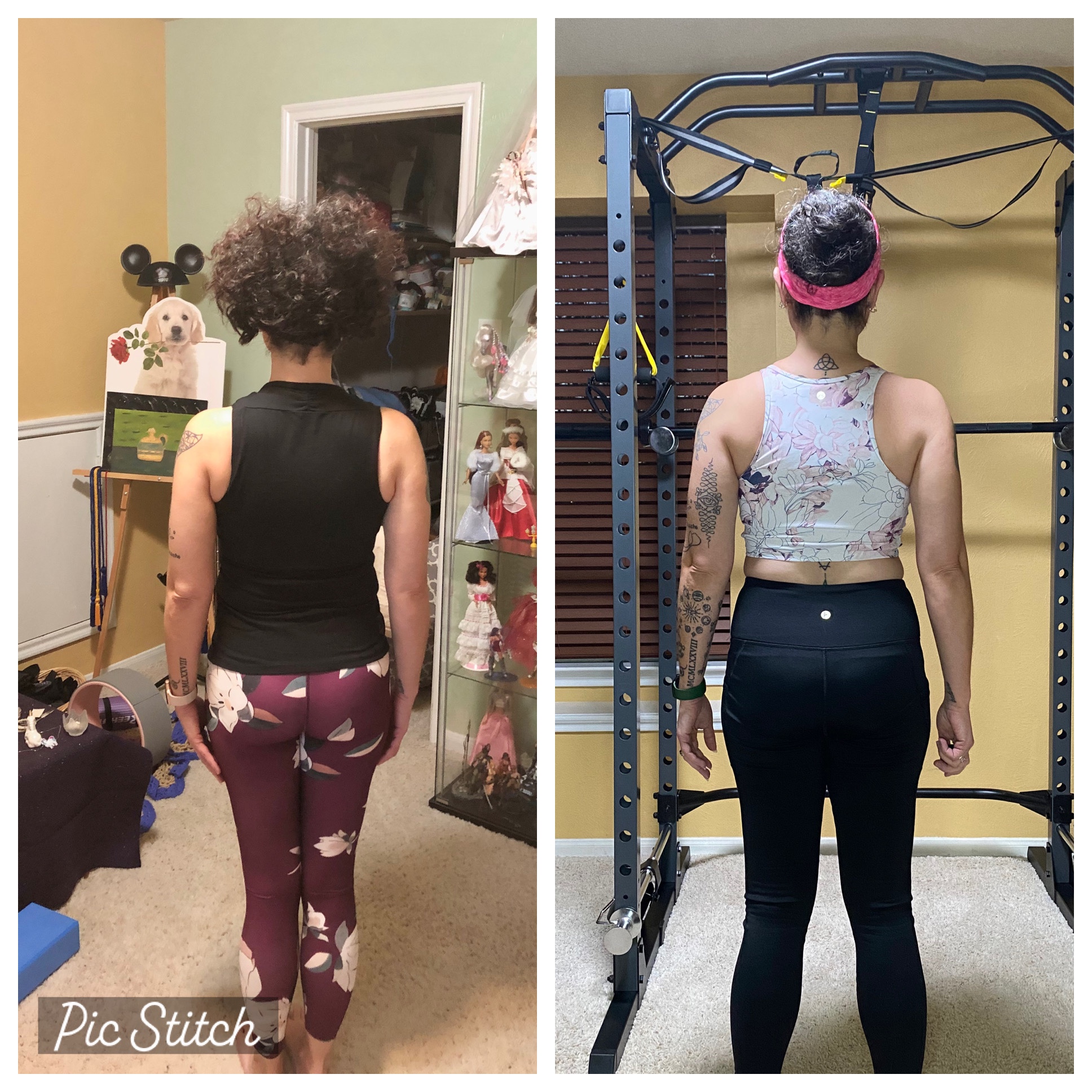
This certainly does NOT happen overnight! If your goal is hypertrophy (build muscle mass), you would need to lift heavy enough weights over a long period of time. This takes a lot longer than burning fat. When you see “bulky” (and I do put it in quotes because women with more muscle mass look strong, not bulky) athletes, men or women, it took a lot of time, effort, and nutrition to get that way. Lifting 3x a week, or even 5 times like I do, will not magically turn you into He-Woman. On top of that, women do not have enough testosterone to bulk up like men. Therefore, there should not be any fear in lifting weights (see my pictures below. I lift 5 times per day).

- Since I worked out today, I can now eat unhealthy
This is not a good way to associate exercise in relation to food. Exercise shouldn’t be a punishment in order for you to be able to eat unhealthy. If your nutrition is super strict and you are using exercise to “earn” a treat, then eventually you will fall off the bandwagon. We need to remember that exercise and healthy eating go together. If you are wanting to lose weight, then you would need to make sure that you are in calorie deficit AND working out (using more energy than you are putting in). However, you can certainly have a treat here and there. You should not feel like you are restricting yourself. When we associate food as “unhealthy” or “bad”, sometimes you just crave them more.
Also, yes, you burned calories when you exercised, but now are replacing them (and sometimes more) with empty calories. If it happens here and there, no biggie. However, if it occurs after every time you exercise, then its counterproductive. The exercise will not cancel the unhealthy meal that your body is intaking. It’s hard to burn the hundreds of calories that you eat in one workout session (you will be in an energy surplus).
Finally, after a good workout, your muscles need nutrient-rich foods to help build & repair them. When eating non-nutritionally dense food, your performance suffers (if weight-loss or performance based goals is what you are working towards).
- No pain, no gain
When talking about this, what I am referring to are people that workout beyond their point of discomfort. If you are used to a sedentary lifestyle, and then start to work out, you will experience DOMS (delayed onset muscle soreness) because you are using muscles that are not used to doing a certain activity. This is normal, and goes away after a couple of days.
If you are working beyond your muscle’s point of discomfort, this means that you are not building in enough recovery between either sets or workouts. If continued over a long period of time, it could lead you to reach the Exhaustion Stage (based on the General Adaptation Syndrome, GAS, which describes how the body adapts & responds to stress). This can occur by adding huge amounts of stress to your body and can cause: sprains/strains, stress fractures, pain in the joints, & fatigue. These could eventually cause an injury. This is also known as overtraining. Therefore, working to the point of exhaustion can cause more harm than good, and keep you from working out even longer than you had wanted, especially if it caused an injury.
- Stretching prevents injuries
So here’s the tricky thing with this one. Stretching itself doesn’t cause you to avoid injuries, however, it does help to correct imbalances. For example, if you have tightness in your hips and are compensating for that, this could eventually lead to an injury. To avoid injury means that you are working out using proper form. If you are compensating and favoring one side over the other when working out, then you are not using proper form. If you don’t use proper form, then you could get an injury. Therefore, stretching, in a roundabout way, will help the imbalance. You can do specific stretches and foam rolling to help lengthen the side of the hip that is tight and overactive. However, you will need to strengthen the underactive side in order to correct your imbalance. The best “stretches” to do prior to working out would be dynamic stretches, especially those that mimic the movements that you will be doing in your workout. Foam rolling is also great to do not only prior, but also after working out. You should leave the stretching (static stretching, where you hold the pose for 30+ seconds) for after you have worked out, because your muscles are already warm from the workout.
- Summary
Hopefully I helped to “debunk” some of these myths. We can all get caught up in what’s out in the social media world and go down a rabbit hole. If you want more information on exercising and finding what is right for you, hiring a personal trainer can help. They can help you with nutrition and coaching tips, with any imbalance you feel that you have, mindfulness, and many other things depending on the coach you hire. They can do a couple of assessments and write a personalized 1:1 program based on its findings. Not only that, they can show you how to properly do the exercises and provide motivation and coaching.
Whether its online or face-to-face, you can’t go wrong! Email me any questions at carola@groundingfitness.com or through Instagram @grounding_fitness .
References:
- https://www.goodrx.com/conditions/weight-loss/can-you-target-fat-loss
- Sutton, Brian, G. NASM Essentials of Personal Fitness Training, 7th ed. Jones & Bartlett Learning, 2022.
- https://pubmed.ncbi.nlm.nih.gov/20086816
- https://www.insider.com/guides/health/fitness/weight-lifting-myths-for-women
- https://lifesum.com/nutrition-explained/3-reasons-why-you-cant-exercise-your-way-out-of-a-bad-diet


 Grounding Fitness, LLC